REVIEW · PARIS
Private Wine and Chocolate Tasting Experience
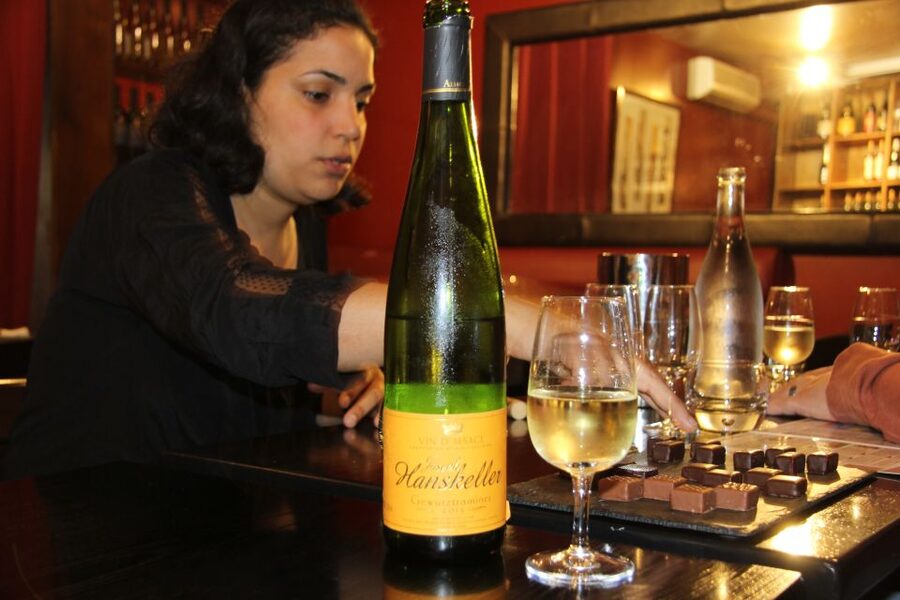
Wine and chocolate make an appealing Paris pairing, but this experience goes beyond simply matching sweet wine with a sweet treat. You taste four different wines and two kinds of chocolate, then test how changing flavors and textures can alter the match. The focus is on learning to trust your own palate, not memorizing rigid rules.
I like the relaxed private-group format and the way the tasting brings in both practical pairing advice and the science of wine. I also like that guide Luis Zarate explains French wine regions in a clear, approachable way. The main consideration is price: at $206 per person for two hours, this is a special-occasion activity rather than a casual glass of wine.
Key points to know
- Four wines and two chocolates: The compact tasting gives you enough variety to compare flavors without turning the session into a long formal lecture.
- Pairing beyond sweet wine: You will experiment with combinations instead of sticking only to the familiar dessert-wine match.
- Private group setting: You can ask questions freely and shape the conversation around your own taste.
- Guide Luis Zarate: When Luis leads the session, expect clear explanations of wine regions, aromas, pairing, and the science behind taste.
- Central Paris meeting point: The tasting begins at Polidor, 41 rue Monsieur le Prince, in the 6th arrondissement.
- Adults only: The minimum age is 18, and the activity is not suitable for children.
Four wines, two chocolates, and a better way to taste
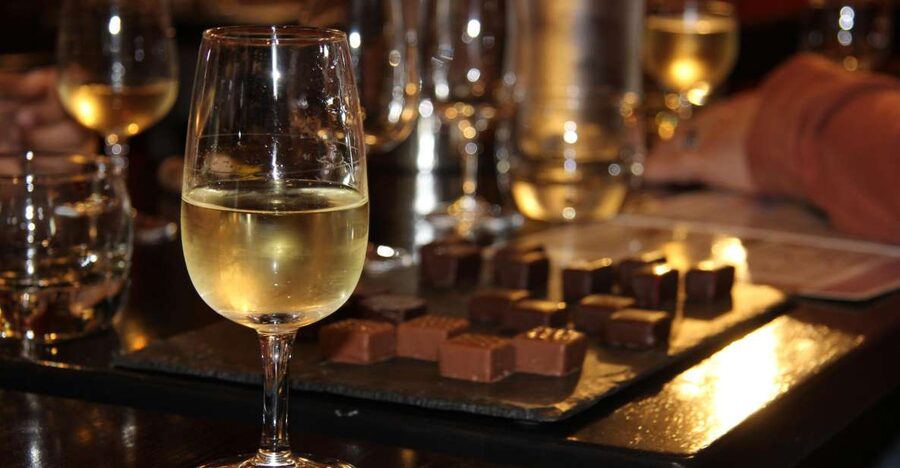
This is a small, focused tasting rather than a meal or a quick stop for a drink. Over two hours, you work through four wines and two varieties of chocolate while an expert guide explains what you are noticing.
That number of wines matters. One sample can tell you whether you like something, but several wines let you compare. You may notice how sweetness, acidity, body, aroma, or finish changes the way chocolate tastes. The point is not to find one official answer. It is to see how your own response changes from one pairing to the next.
The chocolate portion is equally important. You are not simply eating a piece between wine samples. Chocolate gives the tasting a clear test case for texture, bitterness, sweetness, and aroma. A wine that seems pleasant on its own may taste different beside chocolate, and a combination you did not expect may work surprisingly well.
I like this approach because it gives you something useful to take away. You learn a method for thinking about food and wine rather than just hearing a list of grape names.
More Chocolate Tastings in France
- Paris French Sweets Tasting Tour with Pastries and Chocolates
★ 4.5 · 947 reviews - Paris Chocolate, Macaron & Pastry Food Tour: 10 Gourmet Tastings
★ 5.0 · 339 reviews - Paris: Discover Brussels and Bruges & Optional Chocolate Tasting
★ 4.5 · 219 reviews
Learning the logic behind wine and chocolate pairings
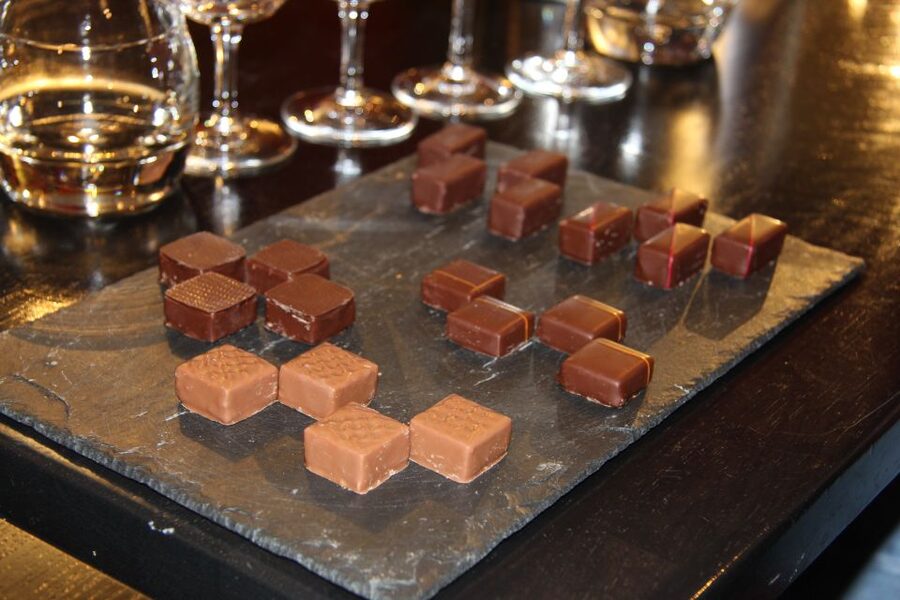
Many wine and chocolate tastings stay with the obvious formula: pair chocolate with a sweet wine. This experience encourages you to try a wider range of combinations.
Your guide explains what can make a pairing work, then gives you the chance to judge the result yourself. You might find that sweetness is only one part of the equation. Aroma, intensity, texture, and balance also affect what happens when wine meets chocolate.
That makes the tasting accessible even if you know little about wine. You do not need to arrive with a vocabulary of professional tasting terms. You can begin with simple reactions such as too sharp, too sweet, smooth, bitter, light, or heavy. The guide can then help connect those reactions to the qualities in the wine.
I especially like the encouragement to trust your taste. Wine instruction can sometimes feel like a test, with one supposedly correct answer. Here, your own palate is part of the lesson. If a pairing works for you, that response has value even if it is not the combination an expert would choose.
The activity also includes a scientific side. Luis Zarate has been praised for explaining not only aromas and flavors but also the science of wine in a simple, easy-to-follow way. That can help you understand why a pairing changes rather than treating the result as pure mystery.
Exploring French wine regions through the glass
The session also gives you a compact introduction to French wine regions. The provided information does not specify the exact wineries or labels poured on the day, so you should not book expecting a fixed bottle list.
That flexibility can be useful. Wine selections may be chosen to show contrast and variety, rather than to follow one narrow regional theme. You may taste wines that highlight different styles and then consider how each behaves with chocolate.
The regional discussion adds context to what is in your glass. Instead of hearing only whether a wine is dry or sweet, you can connect it to the broader French wine map. If you are planning to visit other wine areas in France, this basic grounding can make later tastings easier to follow.
The guide’s role matters here. Luis Zarate has been praised for presenting French regions in a clear and didactic way, without making the subject feel stiff. That is a good fit for you if you want solid information but do not want a technical wine course.
Still, keep your expectations measured. Two hours is enough for an enjoyable introduction, not a full study of French wine. You will leave with useful tasting ideas and regional context, not an expert qualification.
What the two-hour format feels like
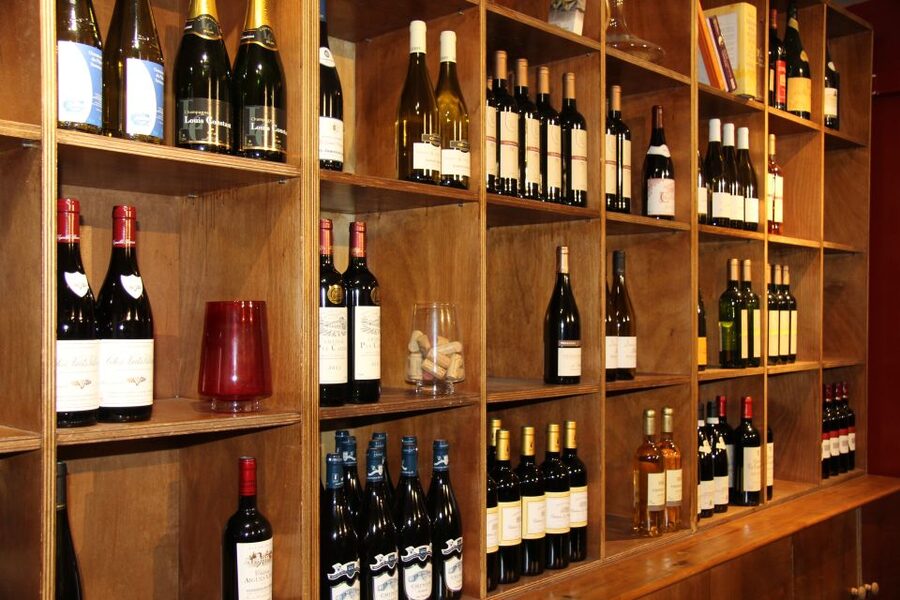
The activity is long enough to feel substantial and short enough to fit neatly into a Paris afternoon. You are not committing an entire day to a formal class.
The tasting is likely to move from explanation to sampling and back again. You receive guidance on the wines and chocolates, taste the combinations, and discuss what you notice. The exact order and pacing may depend on the guide and the questions in your private group.
That private format is one of the strongest features. You can ask why a wine tastes a certain way, compare your reaction with someone in your group, or admit that a highly praised pairing does not work for you. In a larger public class, you might hesitate to interrupt. Here, the setting should make conversation easier.
Two hours also gives the guide time to slow down. You can pay attention to the aroma before tasting, notice the wine on its own, then try the chocolate and taste again. That second look is where much of the value lies.
This is not the right choice if you want a quick tasting with no instruction. The experience puts real weight on learning, comparison, and conversation. If you prefer to order a drink and relax without analysis, a wine bar may suit you better.
More Chocolate Tastings in Paris
- Paris: Brussels and Bruges Tour & Optional Chocolate Tasting
★ 4.6 · 643 reviews - Saint-Germain The Original Chocolate Tasting Tour with Pastries and Macaron
★ 4.5 · 215 reviews - Paris: Montmartre Chocolate & Pastries Tour with 8+ Tastings
★ 4.7 · 131 reviews - #1 Montmartre Pastries & Chocolate Food Tour with 6+ Tastings
★ 4.5 · 41 reviews
Meeting at Polidor in the 6th arrondissement
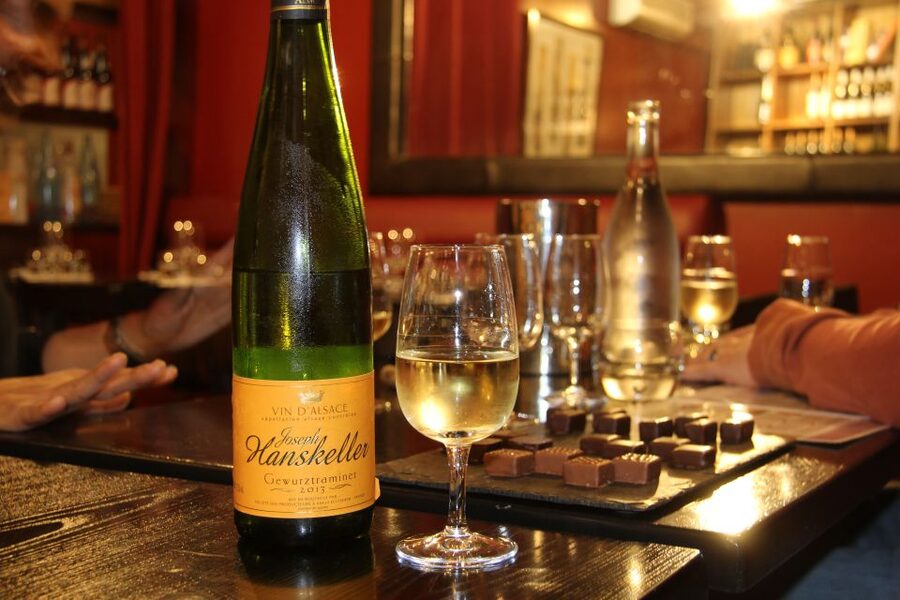
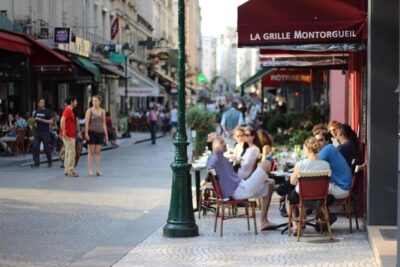
The meeting point is Polidor, at 41 rue Monsieur le Prince, 75006 Paris. That places the start in the 6th arrondissement, a central part of Paris with plenty of character and easy potential to combine with other plans in the city.
You should allow enough time to find the address and arrive ready for the start. The supplied details do not state whether the tasting takes place inside Polidor or exactly how the guide identifies the group, so check your booking information for final meeting instructions.
The location is useful for building a food-focused afternoon. You can place the tasting between other activities in central Paris, though the wine itself means you should plan your later schedule sensibly. The activity lasts two hours, so it works better as a planned appointment than as something to squeeze in between tightly timed visits.
A private experience for curious adults
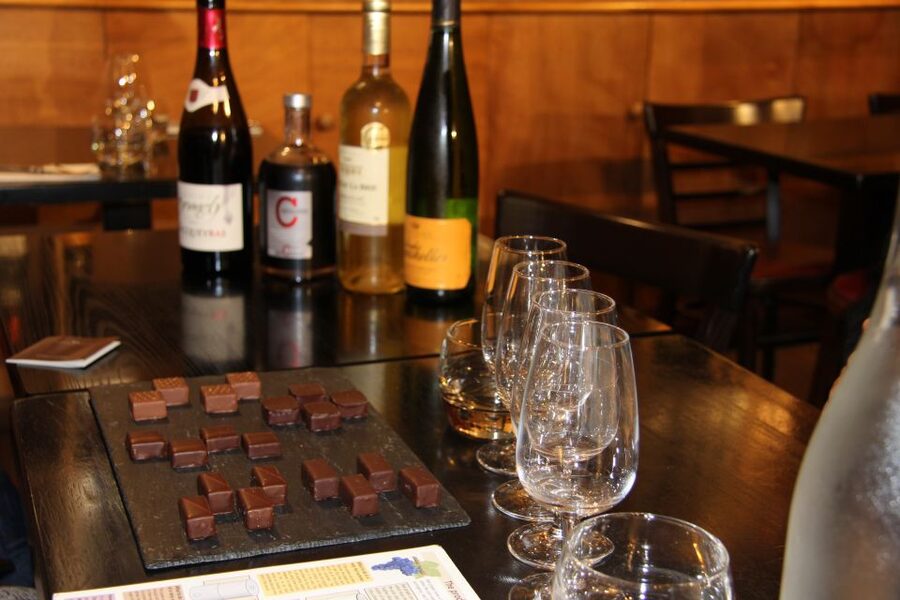
The private-group setup makes this a good match for couples, friends, and small groups with different levels of wine experience. One person can ask basic questions while another asks about regions or production methods, without anyone needing to feel out of place.
It also works well as a birthday gift or a special afternoon. A German couple booked it as a birthday present, and the recipient remembered the session for a long time. That makes sense: the tasting has a clear theme, a social setting, and enough instruction to feel more meaningful than a standard drink.
You should be comfortable with alcohol and tasting several wines in one sitting. The minimum age is 18, and children under 18 cannot join. This is not a family activity with a nonalcoholic alternative listed in the details.
Language choice is another practical advantage. Live guiding is available in English, French, and Spanish. If you are not comfortable discussing wine in French, request the language that lets you ask questions naturally.
Why the guide can make or break the experience
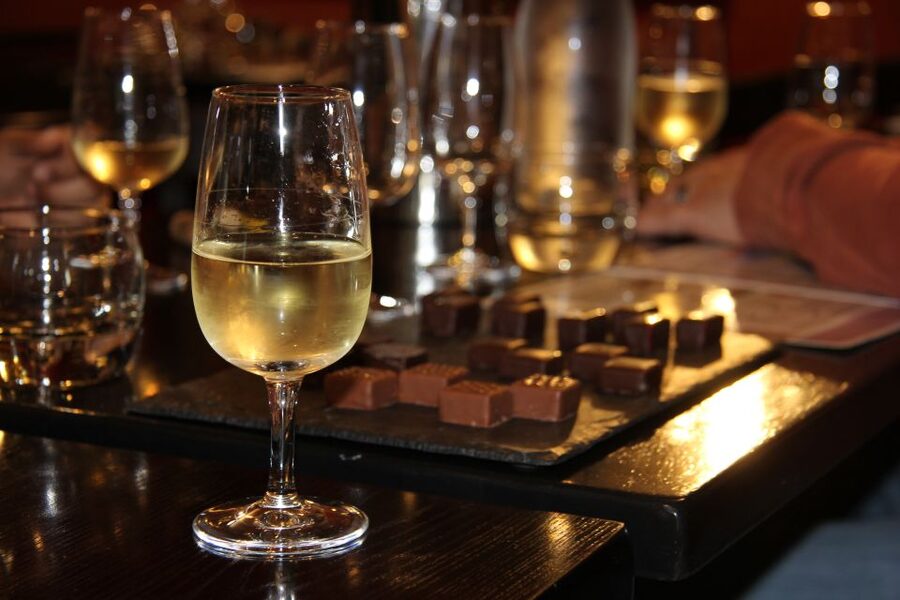
Wine tasting depends heavily on the person leading it. The same four wines can feel either confusing or fascinating depending on how clearly the guide explains them.
Luis Zarate receives especially strong praise for making the subject easy to follow and fun to discuss. His approach combines regional background, pairing advice, aromas, tastes, and the science behind wine. That mix should suit you if you want more than a sequence of pours but do not want a formal academic lecture.
A good guide also protects the relaxed mood. Wine can make people self-conscious, especially when they think they are supposed to identify every aroma correctly. The best approach is to offer useful terms while leaving room for personal reactions.
Because this is a private group, speak up when something surprises you. Ask why a pairing feels bitter, flat, sharp, creamy, or balanced. The value of the session comes partly from the discussion around the tasting, not just from the wine and chocolate themselves.
The listed rating is 4.4 from three published ratings, with two detailed five-star accounts praising the guide, the wine selection, the regional explanations, and the relaxed atmosphere. That is encouraging, but the sample is small. I would place more weight on the clear description of what you will taste and the strong praise for Luis than on the numerical score alone.
Is $206 per person a fair price?
At $206 per person, this is expensive when judged only by the quantity of food and drink. You receive four wines and two chocolates, not a full meal or a large-scale winery visit.
The price makes more sense if you value the private instruction. You are paying for a two-hour guided session, an expert-led tasting, conversation in a small group, and a structured way to learn about pairing. For a couple celebrating a birthday or a traveler who wants a polished food-and-drink activity in Paris, that may be worthwhile.
It is less appealing if your main goal is simply to sample French wine at the lowest cost. Paris has many places where you can buy a glass for far less. This experience earns its price only if the teaching, privacy, and chocolate pairing are central to what you want.
I would also treat the fixed number of samples as a benefit rather than a weakness. Four wines give the session shape and keep it manageable. A longer tasting is not automatically better, especially when you want to notice how each pairing changes.
The reserve-now-and-pay-later option can help if your Paris plans are still shifting. You can book and pay nothing at the time of reservation. Free cancellation is available up to 24 hours before the activity for a full refund, which gives you some protection if your schedule changes.
How to get the most from the tasting
Arrive ready to participate rather than simply consume. Pay attention to the wine before adding chocolate, then compare the taste afterward. Notice whether the chocolate softens the wine, makes it sharper, brings out fruit, or overwhelms it.
Do not worry about producing a sophisticated answer. Say what you actually taste. The guide’s job is to help you connect your impression to the wine’s qualities, and the experience specifically encourages you to trust your own palate.
If you are booking for a gift, think about the recipient’s interests. This is a strong choice for someone who enjoys trying new flavors, asking questions, and learning the reasons behind a pairing. It may be a poor fit for someone who dislikes wine, avoids chocolate, or prefers an unstructured afternoon.
You should also remember that the wine selection is not listed in advance. If you need a particular region, grape, winery, or vintage, confirm that before booking. Otherwise, approach the four wines as a guided comparison rather than a promised list of labels.
Should you book this Paris wine and chocolate tasting?
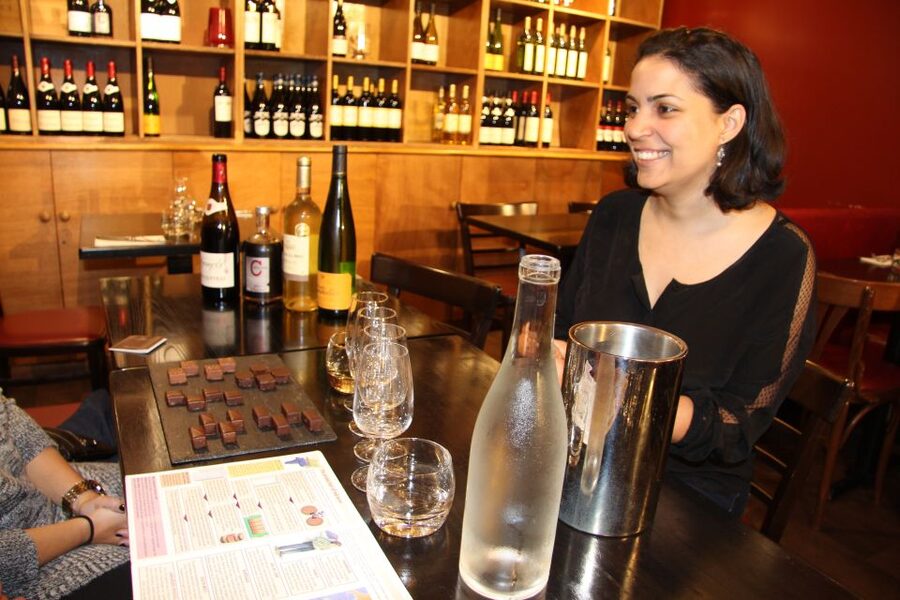
I would book it for a couple or small private group that wants a thoughtful, adult-only food experience and is willing to pay for instruction. The strongest reasons are the private format, the clear focus on four contrasting wines, and Luis Zarate’s ability to explain French regions and pairing in plain language.
I would skip it if $206 feels high for a two-hour activity or if you mainly want a casual drink. The value rests in the guide and the tasting lesson, not in the amount of chocolate or wine.
For the right person, this is a memorable Paris afternoon: part wine class, part sensory experiment, and part celebration. You leave with more than a favorite pairing. You leave with a better sense of how to decide what you like.
FAQ
Where does the wine and chocolate tasting take place?
The meeting point is Polidor, 41 rue Monsieur le Prince, 75006 Paris, France.
How long does the tasting last?
The experience lasts two hours. Starting times depend on availability.
How many wines and chocolates are included?
You will taste four different wines and two varieties of chocolate.
Is the activity private?
Yes. The experience is offered as a private group activity.
What languages are available?
The live guide can lead the experience in English, French, or Spanish.
Can I cancel for a full refund?
Yes. You can cancel up to 24 hours in advance for a full refund. The activity also offers a reserve-now-and-pay-later option.
More Food and Drink Tours in Paris
- A Morning in Paris Food Tour: Croissants, Baguettes & Chocolate
★ 5.0 · 556 reviews - Saint-Germain: Gourmet Chocolate & Pastry Walking Food Tour
★ 4.8 · 495 reviews - Paris: Pastries and Chocolate Walking Food Tour
★ 4.8 · 57 reviews - Le Marais: Pastry and Chocolate Food Tour
★ 4.5 · 52 reviews
More Chocolate and Wine Tours in Paris
- Private Wine and Chocolate Tasting in Paris
★ 4.5 · 4 reviews - Melbourne: Yarra Valley Wine, Gin, Whisky and Chocolate Tour
★ 5.0 · 3,667 reviews - Epic Yarra Valley Wine Tour + Lunch, Chocolate & Gin/Beer Option
★ 5.0 · 1,819 reviews - Amazing Yarra Valley Wine Tour + Chocolate, Farm Fresh, Gin
★ 5.0 · 1,566 reviews
Just added around Paris
- Molded Bonbons Chocolate making class in Paris (collective)★ 4.5 · 20 reviews
- Paris Sweet & Chocolate Family Treasure Hunt★ 5.0 · 37 reviews
- Private Wine and Chocolate Tasting in Paris★ 4.5 · 4 reviews
- Private Family Chocolate Making Class in Paris★ 5.0 · 16 reviews
- Pure Chocolate Tour in Paris★ 5.0 · 20 reviews
- Paris Marché d’Aligre Walking Tour with Chocolate and Cheese Tasting★ 3.5 · 24 reviews
- Paris Saint-Germain Private Tasting Tour with Chocolate plus Pastries & Macaron★ 5.0 · 10 reviews
- Paris Chocolate and Pastry Private Tour With Secret Food Tours★ 5.0 · 44 reviews
Paris Chocolate Tours, compared.
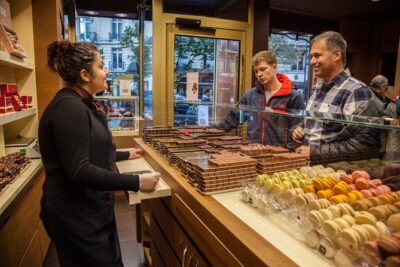
Paris French Sweets Tasting Tour with Pastries and Chocolates
Read our review →
Brussels and Bruges Tour & Optional Chocolate Tasting
Read our review →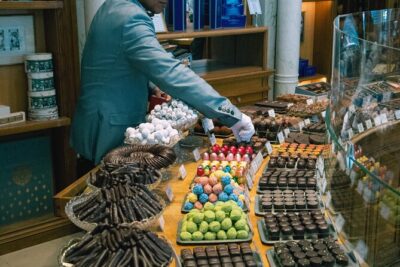
A Morning in Paris Food Tour: Croissants, Baguettes & Chocolate
Read our review →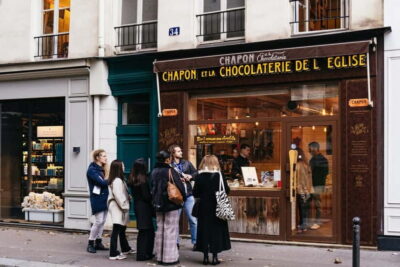
Saint-Germain: Gourmet Chocolate & Pastry Walking Food Tour
Read our review →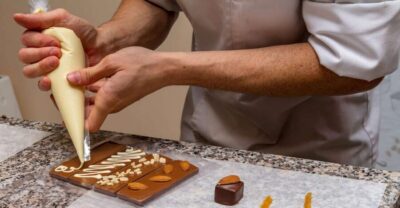
45-minute Chocolate Making Workshop at Choco-Story
Read our review →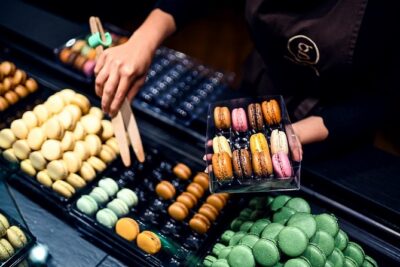
Paris Chocolate, Macaron & Pastry Food Tour: 10 Gourmet Tastings
Read our review →