
REVIEW · FRANCE
Trio Chocolaté – Tour en français – Champagne Passy-Grigny
At Champagne Dom Caudron, the best part is the link between old farming tools and modern winemaking. In 45 minutes, you move from the first press used by Passy-Grigny’s vine growers to the current vat house, then finish with three champagnes paired with three chocolates.
I like the clear look at Meunier, the grape tied closely to this village and to priest Aimé Caudron’s 1929 plan. I also like the tasting format: three different champagnes matched with three chocolates, so you can compare rather than sip one glass in isolation.
The main drawback is simple: this is a French-language tour, and the winery is kept at about 12°C. If you do not understand French, or if you arrive without a jacket, much of the visit will be harder to enjoy.
Key points before you book
- A 45-minute route through Champagne making: The visit covers the old press, modern vat house, grape varieties, and production basics without taking half a day.
- Aimé Caudron’s 1929 idea: Learn how a village priest brought local winemakers together around the Meunier grape.
- Three champagne and chocolate pairings: The tasting gives you three combinations to compare, not just one standard pour.
- French-speaking guide: The explanations are delivered in French, so language ability matters.
- A cool winery setting: The temperature is about 12°C, making a jacket a useful part of your tasting kit.
- Good access for many visitors: The experience is wheelchair accessible, though it is not suitable for pregnant women.
A village story rooted in Meunier
Passy-Grigny sits in the Marne Valley, in the Grand Est region of France. This is not a grand-city cellar tour. The setting connects the drink in your glass with a small village and the people who built its wine culture.
The story begins in 1929 with Aimé Caudron, a priest with an unusual idea. He brought the village’s winemakers together and helped create what became known as the Meunier grape. That background gives the tour a useful human scale. Champagne is often presented as a luxury product, but here you also hear about cooperation among local growers.
I find that context especially useful if you already know the famous Champagne names but want a closer look at how a smaller community shaped its identity. The focus is not only on the finished bottle. You also learn why grape choice and local knowledge matter.
The information provided does not name the individual guide, so you should not expect to book a particular person. The tour is led in French, and the guide’s role is to explain the production process in a friendly, direct way. The short duration means the visit should stay focused rather than turn into a long lecture.
More Chocolate and Wine Tours in France:
- Passy-Grigny: Chocolate and Champagne Tasting Tour
★ 4.8 · 284 reviews - Libourne: Winery Tour with Wine and Chocolate Tasting
★ 4.9 · 74 reviews - Wine and chocolat tasting at Chablis.
★ 4.9 · 5 reviews
Seeing the old press beside the modern winery
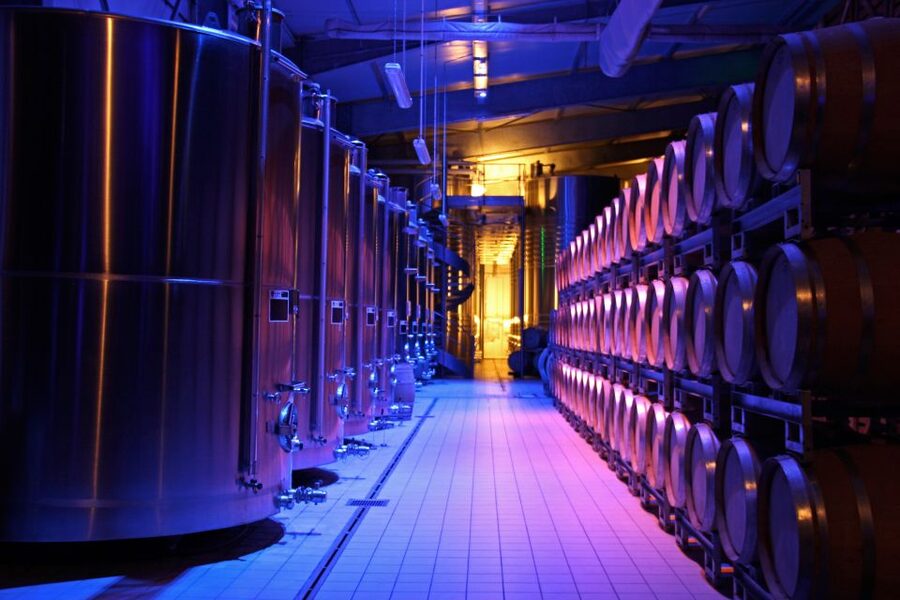
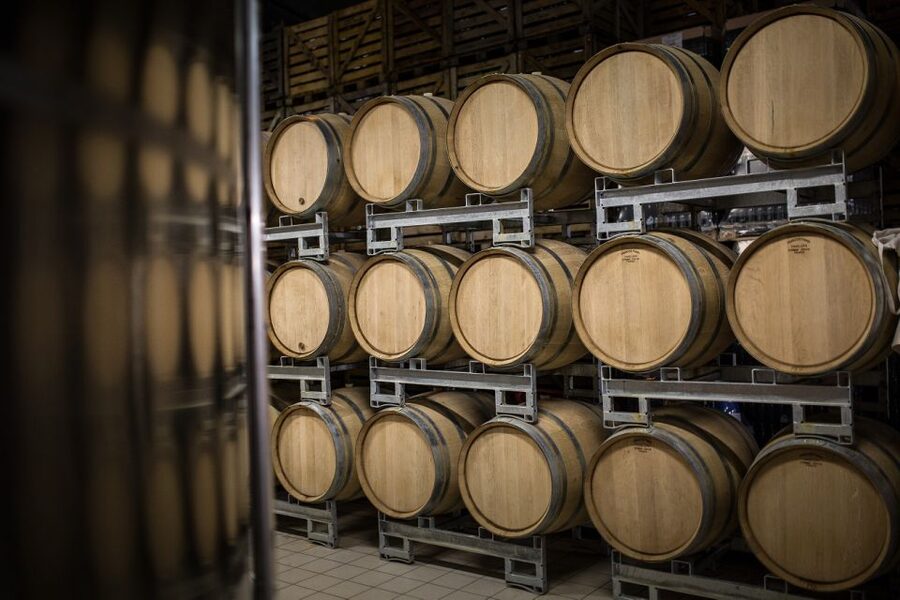
The visit takes you behind the scenes of Champagne production. One of its most useful features is the contrast between the first press associated with Passy-Grigny’s vine growers and the modern vat house used today.
An old press can make the early stages of winemaking feel less abstract. You see the kind of equipment that connected harvested grapes to the first pressing process. It also helps you picture the work done before modern winery technology became common.
The current vat house shows the other side of the story. Here, the tour turns toward present-day production and the containers used to handle the wine. The supplied details do not specify the exact machinery, cellar route, or size of the facilities, so you should not expect a full industrial tour. You can expect a clear introduction to the change from older tools to modern winemaking.
This pairing of old and new is valuable because it gives you a timeline. Instead of hearing only that Champagne is made through a careful process, you see how the equipment and working methods have changed. For a first-time visitor, that visual contrast may be easier to remember than a list of technical terms.
The winery temperature is about 12°C. That is cool enough to notice, especially during a short visit when you may not be moving constantly. Bring a jacket or warm layer. It is a small practical point, but it can make the difference between paying attention to the guide and wishing the tasting would hurry along.
Learning the grapes behind the bottle
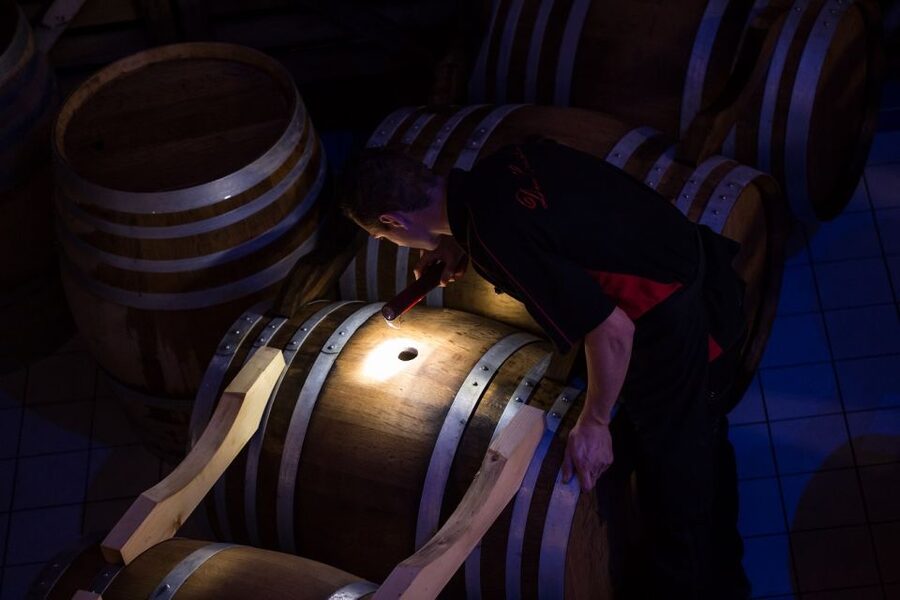
A key part of the experience is learning about the grape varieties used to make Champagne. The material highlights Meunier, which has a special connection to Dom Caudron and Passy-Grigny.
The tour is designed for both beginners and people who already know something about Champagne. That makes the level of detail important. If you are new to the subject, the explanations should give you a basic framework for understanding the drink. If you already recognize the main grape varieties, the local focus on Meunier adds a more specific angle.
I like this approach because grape variety is often lost behind the Champagne label. You may know a bottle by its house name, but not know which grapes help shape its character. Learning about the varieties gives you something useful to notice during the tasting, even if the tour does not turn you into a wine expert in three quarters of an hour.
Do not expect an advanced wine class. The duration is only 45 minutes, and the tour also includes equipment, production, and the final tasting. Its strength is a compact overview with a strong local connection, not a long technical study.
Three champagnes, three chocolates
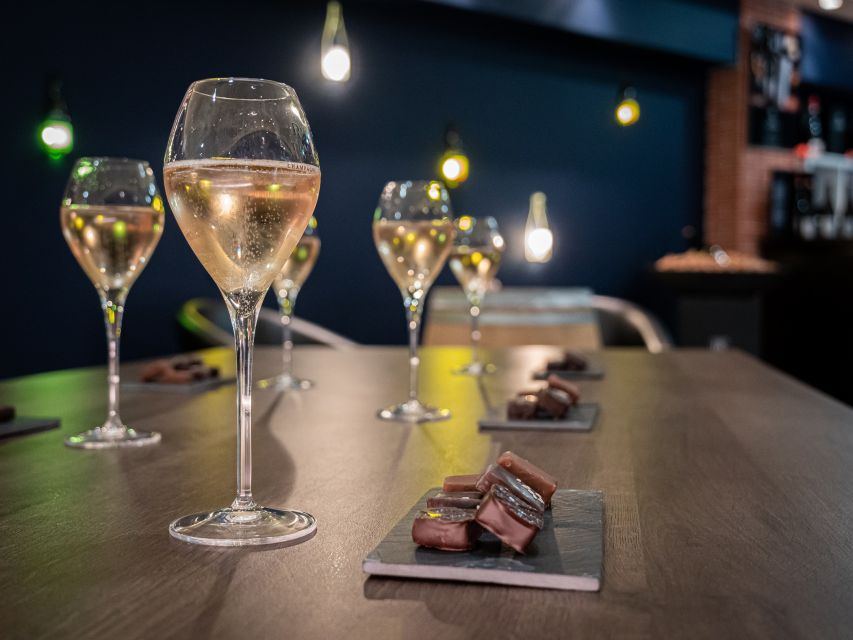
The tasting is the reward at the end of the route. You receive three different champagnes and three different chocolates, paired for comparison.
That format makes the tasting more interesting than a single glass. You can notice how each champagne works with a different chocolate and consider which pairing you prefer. The food also gives the final part of the tour a clear purpose. It is not simply a drink after the explanation. It is a chance to apply some of what you have just learned.
The exact champagne styles, chocolate flavors, and serving sizes are not specified. I would not book this expecting a particular vintage, rare bottle, or a large meal. Think of it as a guided tasting with small chocolate pairings, not a substitute for lunch.
At $31 per person, the value rests on the complete package. You are paying for a guided visit, access to the production story, and six tasting elements in total: three champagnes and three chocolates. For someone already planning to visit Champagne, that is a fair price for a short, focused stop.
The value is less clear if you only want a generous tasting. The experience is built around the explanation of how Champagne is made, so you should care about the winery story and the production side. If you do, the tasting adds a pleasant finish. If you want several large pours, this may not be the right choice.
Same place, a different way to taste it:
- Paris: Entrance Ticket to the Chocolate Museum
★ 4.1 · 1,105 reviews - Paris French Sweets Tasting Tour with Pastries and Chocolates
★ 4.5 · 947 reviews - A Morning in Paris Food Tour: Croissants, Baguettes & Chocolate
★ 5.0 · 556 reviews - Saint-Germain: Gourmet Chocolate & Pastry Walking Food Tour
★ 4.8 · 495 reviews
Why the French-language format matters
This activity is conducted in French. That is the most important booking consideration after the cool temperature.
If you understand French, the language gives the tour a local feel and lets you follow the explanations about Passy-Grigny, Meunier, the presses, and the vat house. If you understand only a little French, the visual elements may still help, but the main value of the experience comes from the spoken information.
There is no information indicating that an English translation, audio guide, or written alternative is available. You should not assume one will be provided. Check your own comfort level honestly before booking. A French-language tour can be a good choice for practicing the language, but it is not ideal if you need every technical explanation in English.
The guide style appears to be clear and welcoming. The available comments describe very clear explanations and a friendly, enthusiastic manner. That praise fits the format well: the tour needs to explain a process quickly, then guide you into the tasting without making the visit feel rushed.
Who will get the most from this visit
I would recommend this experience to French-speaking adults who want a short introduction to Champagne production. It works well for someone who wants more than a tasting but less than a full winery day.
It is also a good fit for people interested in the local story of Meunier and the cooperative spirit linked to Aimé Caudron. You do not need to be a Champagne specialist. The tour is meant for both novices and people with prior knowledge, so you can come with a blank slate or a few questions.
The 45-minute length helps if you are fitting several stops into a day in the Marne Valley. It is long enough to include the old and new equipment, grape information, and tasting, but short enough to combine with other plans.
I would be more cautious if you are pregnant, since the activity is listed as not suitable for pregnant women. I would also think twice if you dislike cool indoor spaces or cannot follow French. Those are not minor details here. They directly affect whether you can enjoy the visit.
The experience is wheelchair accessible, which makes it a practical option for many visitors who need step-free access. The provided information does not give further details about every surface or restroom, so anyone with specific mobility needs may still want to confirm the arrangements before arrival.
Timing, cancellation, and simple preparation
The tour lasts 45 minutes, with starting times available according to the date you choose. That short schedule makes it easy to place before or after another Champagne activity, but you should allow enough time to arrive without cutting the visit close.
You can cancel up to 24 hours in advance for a full refund. You can also reserve now and pay later, which is useful if your route through the region is not fully fixed.
Bring a jacket. The winery temperature is about 12°C, and this is the clearest practical tip for the visit. Since the tour is in French, reviewing a few basic wine terms before you go could also help, especially words for grape varieties, press, cellar, and tasting.
The experience provider is Champagne Dom Caudron. The tour takes place in Passy-Grigny, in the heart of the Marne Valley, rather than in central Reims or Épernay. Check your transport plan carefully, since the supplied information does not include a shuttle, transfer, or public transport arrangement.
Should you book Champagne Dom Caudron?
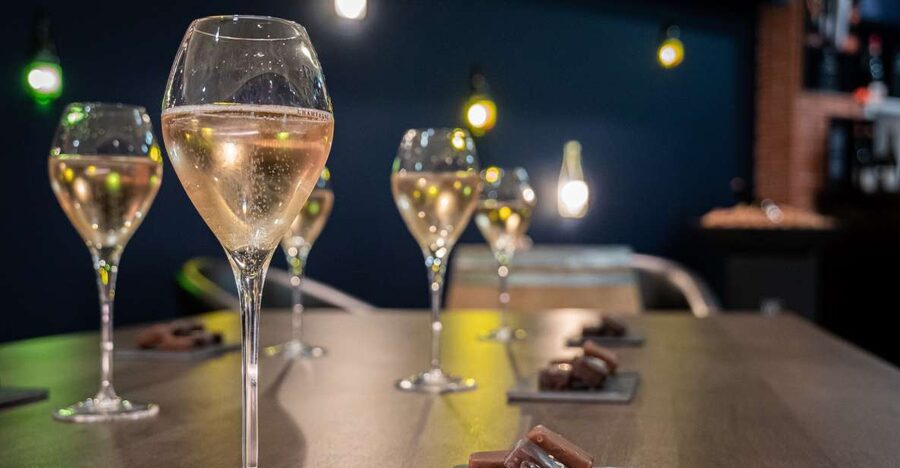
Book it if you want a short, local, French-language introduction to Champagne, with a clear story about Meunier and a tasting that pairs three champagnes with three chocolates. The old press and modern vat house give the visit a useful before-and-after structure, while the 1929 story of Aimé Caudron adds a memorable village connection.
Skip it if you need an English tour, want a long cellar visit, or are mainly looking for a large tasting. Also reconsider if you are pregnant or unprepared for a 12°C winery.
For French speakers who value context as much as the drink itself, $31 is a reasonable price for a compact visit with a guided tour, chocolate tasting, and champagne tasting. Bring a warm layer, arrive ready to listen, and let the final pairings show you how much the right chocolate can change a glass of Champagne.
FAQ
Where does the tour take place?
The tour takes place at Champagne Dom Caudron in Passy-Grigny, in the Marne Valley of France’s Grand Est region.
How long does the experience last?
The guided visit and tasting last 45 minutes.
What language is the tour in?
The tour is conducted in French.
What will I see during the visit?
You will learn about Champagne production, see the first press associated with Passy-Grigny’s vine growers, visit the modern vat house, and learn about the grape varieties used to make Champagne.
What is included in the tasting?
The experience includes three champagnes paired with three chocolates.
Is the winery cold?
Yes. The winery is kept at about 12°C, so you should bring a jacket.
Is the experience wheelchair accessible?
Yes, the activity is listed as wheelchair accessible. It is not suitable for pregnant women.
Just added around France
- Private Wine and Chocolate Tasting Experience★ 4.4 · 3 reviews
- Wine and Chocolate experience★ 4.6 · 3 reviews
- Wine and chocolat tasting at Chablis.★ 4.9 · 5 reviews
- tasting workshop of 6 to 8 wines with charcuterie chocolate cheese★ 5.0 · 48 reviews
- Molded Bonbons Chocolate making class in Paris (collective)★ 4.5 · 20 reviews
- Private Wine and Chocolate Tasting in Paris★ 4.5 · 4 reviews
- Paris Sweet & Chocolate Family Treasure Hunt★ 5.0 · 37 reviews
- Private Family Chocolate Making Class in Paris★ 5.0 · 16 reviews
France Chocolate Tours, compared.
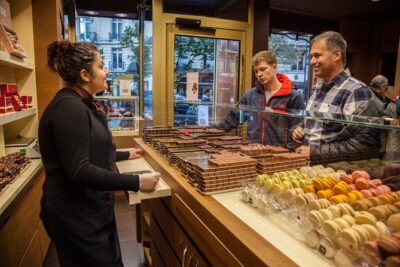
Paris French Sweets Tasting Tour with Pastries and Chocolates
Read our review →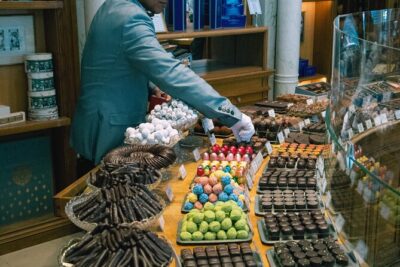
A Morning in Paris Food Tour: Croissants, Baguettes & Chocolate
Read our review →
Saint-Germain: Gourmet Chocolate & Pastry Walking Food Tour
Read our review →
45-minute Chocolate Making Workshop at Choco-Story
Read our review →
Paris Chocolate, Macaron & Pastry Food Tour: 10 Gourmet Tastings
Read our review →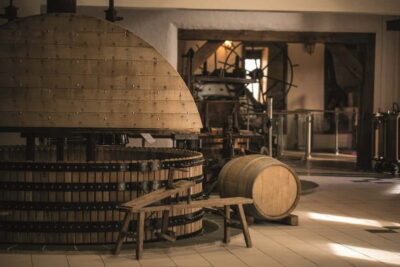
Passy-Grigny: Chocolate and Champagne Tasting Tour
Read our review →
Paris Pastry Tour – Croissants, Macarons & Iconic French Desserts
Read our review →Browse the lists this tour appears in