
REVIEW · PUNTA CANA
Chocolate Master Class & Taino Concept Store
The best part of this Punta Cana outing is that you do not just taste Dominican chocolate, you work with cacao yourself. You grind beans, make cacao balls for hot chocolate, and temper liquid chocolate before pouring it into molds. The class also includes chocolate tastings and a look at how cacao fruit becomes a finished sweet.
I like the friendly, hands-on format, especially for families and anyone who wants a calm break from beach time. I also like that your chocolates go home with you, while the Taino Concept Store adds local cacao products, rum, art, and gifts to browse. The main catch is timing: the class is advertised as about an hour, but pickup, waiting for chocolate to set, shopping, and the return ride can make the outing several hours long.
Key points to know before booking
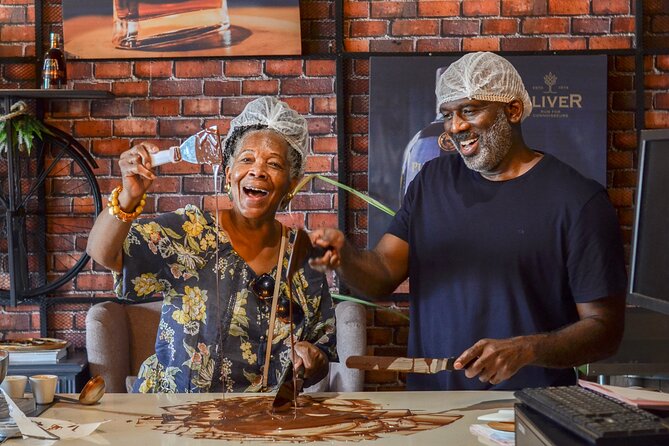
- You make more than one treat: Prepare cacao balls and chocolate bark or molded bars, with toppings and finished sweets to take home.
- The class is in Taino’s Kitchen Lab: The venue also has a store with chocolates, cacao goods, rum, art, and products connected to Dominican and Indigenous culture.
- Guides shape the experience: Rudy, Felix, Wendell, and Anthony are all named in strong feedback, with Rudy and Anthony receiving especially warm praise for their humor, patience, and clear teaching.
- Hotel pickup is offered: Round-trip transportation makes this easy to add to a Punta Cana stay, though pickup times can be earlier or less exact than expected.
- It suits a wide age range: Children as young as 3 were included, and groups ranging from teenagers to adults in their 50s enjoyed the activity.
- Allow more than one hour: The kitchen work may be brief, but the full pickup-to-drop-off window can reach about three and a half hours.
Grinding cacao in Taino’s Kitchen Lab
At Boulevard Turístico del Este, about 3.5 kilometers from Punta Cana, the class begins at Taino’s Kitchen Lab in Cormont Plaza II. This is not a bare cooking room. The polished venue combines a teaching kitchen with the Taino Concept Store, so you may spend time there before or after the workshop.
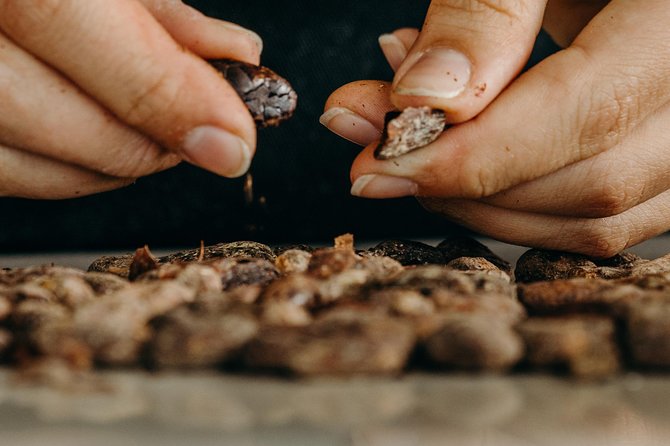
The introduction covers the history of the cacao fruit and the path from bean to chocolate. You may taste cacao nibs and several chocolate styles, including white, milk, 60 percent, 70 percent, 85 percent, and 100 percent chocolate. That last sample is very bitter because it contains no sugar, a useful reminder that the sweet bar in your hotel gift shop began as a far more intense ingredient.
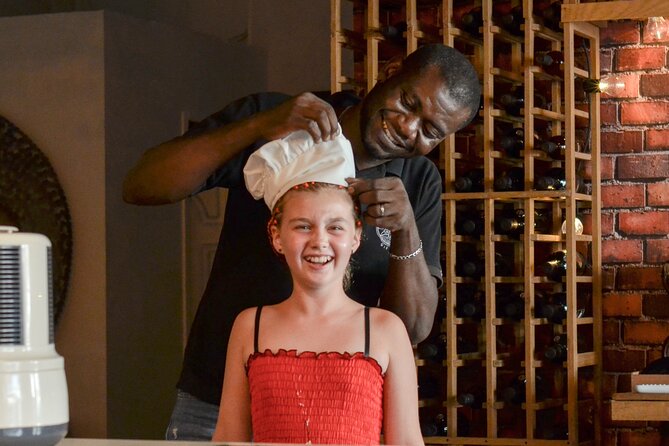
The teaching style depends on the guide assigned to your group. Rudy is praised for being funny, patient, and clear in English. Felix is described as giving a helpful history lesson before moving into the kitchen. Wendell handles the introductory tasting and presentation, while Anthony is especially good at including children and helping each station stay on track.
The class size has a maximum of 18 people, though some sessions have been much smaller. Groups of five and eight have been reported, creating a more personal feel than a large resort activity. Smaller numbers matter here because the practical work involves shared equipment, chocolate temperatures, and several steps that are easier to follow when the instructor can watch each station.
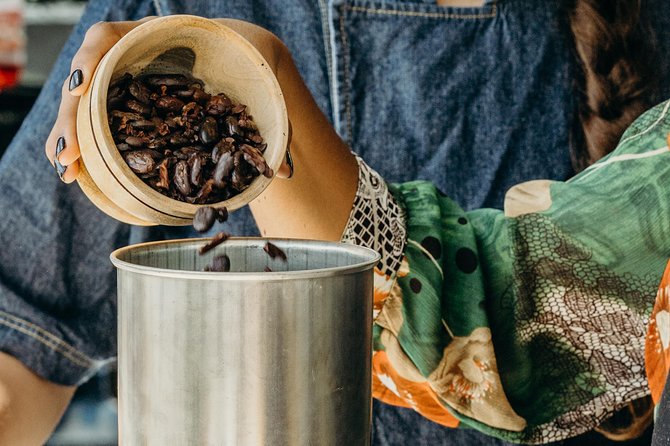
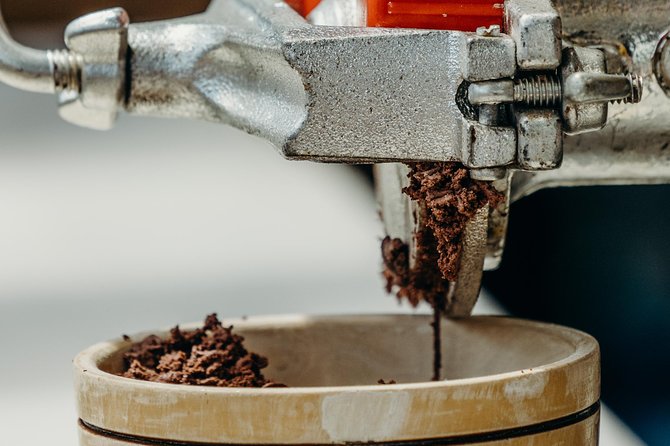
One hands-on task involves breaking down cacao beans and grinding them by hand. This takes some upper-body effort, so do not expect the work to be entirely passive. It gives you a better sense of the labor behind chocolate than a quick tasting alone, though the process may feel challenging if you were hoping for a simple demonstration.
A few more chocolate tours around Punta Cana worth a look
Making cacao balls and molded chocolate
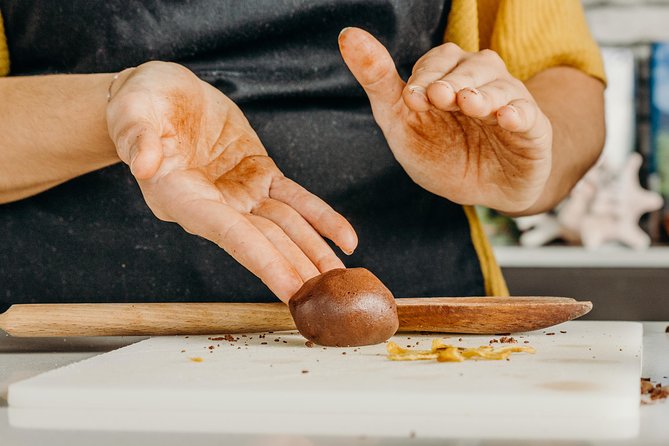
After the introduction, you move into the kitchen portion. The class teaches you to make cacao balls from ground beans and chocolate bark or molded bars from liquid chocolate. The exact number of pieces can vary by group setup, but the experience includes finished chocolates to take home.
The cacao balls are one of the more distinctive parts. You can use them later for hot chocolate, and one family used them in protein shakes after returning home. They are not just decorative souvenirs. They connect the raw cacao lesson with a practical way to use the ingredient.
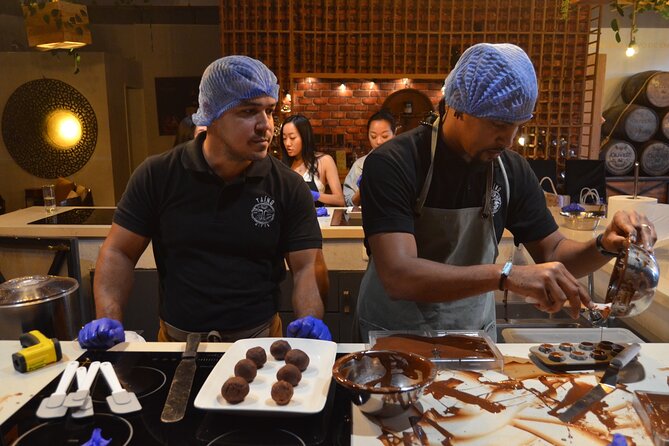
The molded chocolate work is more technical than it first appears. You learn about tempering, which means working the chocolate at the right temperature so it sets with a firm texture and a clean finish. You pour the chocolate into molds, add toppings where offered, and wait for it to harden before packaging it.
This is a messy activity, so wear clothes you do not mind marking with chocolate. The work also requires patience. One group needed to have chocolate reheated before the bars could be made, showing that the temperature process can slow things down when the mixture is not ready.
The class may feel short if you want a full cooking lesson. One account described roughly 20 minutes of active chocolate-making, followed by about 20 minutes while the bark set. Other groups had a longer kitchen session, including more instruction and multiple platters of chocolate. The format is hands-on, but it is not a full afternoon pastry course.
The Taino Concept Store and local products
The store is part of the appeal, not just a place to pass time while your chocolate hardens. You can browse Dominican chocolate and cacao products, rum, souvenirs, art, and items connected with Indigenous culture. It gives the outing a local-shopping angle without requiring a separate stop elsewhere in Punta Cana.
I like that the store is useful even if you do not buy anything. You can compare the cacao products after learning how chocolate is made, and the range of items gives non-chocolate companions something to browse. The shop has been described as attractive and well priced, with staff who do not pressure you to purchase.
The store also creates a small weakness in the schedule. Since the chocolate needs time to set, you may spend a fair amount of the visit browsing rather than making more sweets. If you want to buy cacao products, this is convenient. If you booked mainly for kitchen time, the waiting period may feel long.
The history section appears to touch on Olmec connections, but it may not be extensive. If the cultural background is a major reason you are booking, keep your expectations modest. The main focus is the practical chocolate lesson, with history and tasting used to frame the activity.
Guides, language, and group feel
The instructors are a major part of the experience. Rudy receives repeated praise for his warmth, humor, English, and patience. Anthony is singled out for giving close attention to children while still making sure adults took part. Felix and Wendell are also associated with clear introductions and chocolate tastings.
That said, one session had a sound problem, with a participant finding it hard to hear the guide. Another felt the presentation ran too long and did not give equal attention to every couple. If you are in a larger group, stand close to the instructor and ask questions early so you do not miss the instructions.
The workshop can work well for mixed-age groups. Children ages 3 and 5 took part with their parents, while teenagers and adults also found the activity engaging. Younger children may need an adult beside them for the messy and physical steps, but the format does not depend on high strength, speed, or athletic ability.
The atmosphere is relaxed rather than competitive, though the description includes entertainment and surprise contests. Those elements may not appear in every session, so consider them a bonus rather than a central reason to book. The strongest part is the chocolate work itself.
Same place, a different way to taste it:
- 4×4 Dominican Adventure with Chocolate and Coffee Tasting
★ 5.0 · 2,920 reviews - 4×4 ATV Experience, Water Cave, Chocolate and Coffee Tasting
★ 5.0 · 1,430 reviews - Buggy Adventure Tour with Chocolate and Coffee in Punta Cana
★ 5.0 · 953 reviews - Buggy Ride Into the jungle with cave coffee & chocolate tasting
★ 5.0 · 465 reviews
Pickup, start times, and the real time commitment
The listed start time is 1:00 p.m., and hotel pickup is included. Pickup makes this easier than arranging a taxi to Cormont Plaza II, especially if you are staying at a Punta Cana resort. The vehicle has been described as air-conditioned, and one transfer was reported as early and trouble-free.
Build in flexibility. One family was picked up around 2:00 p.m. for a 3:30 p.m. class, while another group was collected at 1:30 p.m. and found that the class had already begun. The supplied schedule uses approximate times, so confirm the pickup details and do not plan a tight dinner reservation immediately afterward.
The advertised class length is about one hour, but the full outing can be much longer. One family left the hotel shortly after 2:00 p.m., began the class at 3:30 p.m., finished the kitchen work around 4:45 p.m., waited while the chocolate hardened, and returned to the hotel around 5:45 p.m. That is closer to three and a half hours from pickup to drop-off.
Other sessions have been much shorter, especially when the chocolate-making portion was completed quickly. Your practical rule should be simple: reserve an afternoon, not a single hour. The class itself may fit neatly into a busy vacation, but transportation and waiting time can change the calculation.
Is $57 a fair price?
At $57 per person, this is not the cheapest way to eat chocolate in Punta Cana. You are paying for round-trip hotel transportation, instruction, equipment, tastings, two soft drinks, access to the kitchen lab, and the chocolate you produce.
The value improves if you would otherwise pay for a taxi and want an organized activity away from the resort. It also works well for a family because several age groups can take part together, and the finished sweets give you a physical reminder of the outing. The store adds another reason to visit, particularly if you want Dominican cacao or rum products.
The price is less attractive if you expect a long, advanced cooking class or a wide range of chocolate recipes. The core work may be completed in 20 to 40 minutes, depending on the group and the schedule. You may make cacao balls and bark or bars, but not necessarily several types such as milk, dark, and white chocolate.
I would judge the value by your priorities. For a short, low-key activity with transport and take-home treats, $57 is reasonable. For serious chocolate students seeking detailed confectionery training, it may feel expensive for the amount of active kitchen time.
What to bring and how to prepare
Wear clothing that can handle a splash of chocolate. The work is described as fun and messy, and chocolate can quickly find its way onto hands, aprons, and clothing.
Keep your schedule open around the stated start time. Pickup may be early, and the return ride can take longer than the class description suggests. If you have young children, bring patience for the setting and hardening periods, even though the activity itself is family-friendly.
You do not need to bring cooking equipment. The necessary tools and ingredients are provided. The work can involve crushing and grinding cacao beans, so you should be ready for some manual effort rather than expecting to only pour melted chocolate into a mold.
The experience includes two soft drinks, though the exact serving may vary. One account described the drink as water, so do not book this expecting a large refreshment service. The chocolate tastings and hot chocolate are more central to the food experience.
Who will enjoy this Punta Cana activity
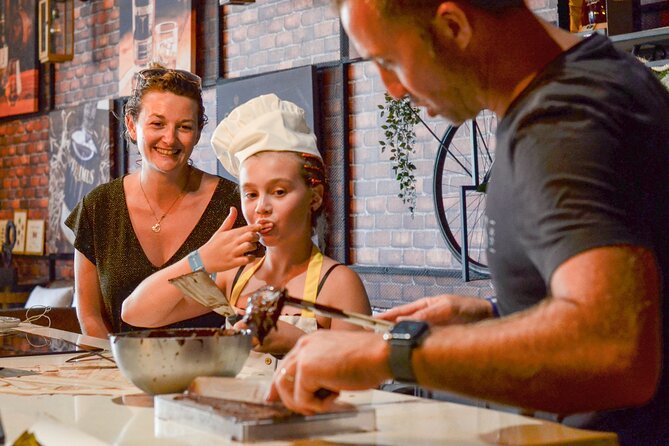
This class is a strong fit for families who want something gentler than a high-adrenaline excursion. Young children can take part with help, and adults still get a real lesson in cacao, tempering, and chocolate production.
It also suits couples, friends, and solo visitors who like food activities but do not want to spend a full day away from the resort. The small-group format can feel social without becoming a large tour operation, especially when the class has five to eight people.
Chocolate fans will enjoy the tasting range and the chance to compare cacao percentages. You will also appreciate the store if you want to take home Dominican products that are more distinctive than standard resort souvenirs.
I would be more cautious if you dislike shopping stops, have a firm evening schedule, or want a long, technical workshop. The store is built into the visit, and some of your time may be spent waiting for the chocolate to set. Also, the class experience depends partly on the guide and the size of your group.
Booking, cancellation, and final advice
The experience has a 4.8 rating from 43 reviews, with 95 percent recommending it. Those numbers fit the main strengths: friendly instructors, a clean and attractive venue, hands-on work, family appeal, and chocolates to take home.
Free cancellation is available up to 24 hours before the local start time for a full refund. Changes or cancellations made within 24 hours are not refundable, and the activity requires a minimum number of participants. If that minimum is not met, you are offered another date or experience, or a full refund.
Should you book the chocolate class?
Book it if you want a friendly, practical taste of Dominican cacao with hotel pickup and a finished treat in your bag. It is especially useful on a rest day, for families with children, or for anyone who wants a local food activity without giving up an entire day.
Skip it if you need a tightly timed one-hour stop or expect to make many kinds of chocolate. The active kitchen work can be brief, and the full outing may last several hours. For most visitors who value a relaxed class, a good teacher, and a souvenir you made yourself, the experience earns its place in a Punta Cana itinerary.
FAQ
Where does the chocolate class take place?
The class takes place at Taino’s Kitchen Lab, located at Boulevard Turístico del Este, 3.5 km, Cormont Plaza II, Local 26, Punta Cana, Altagracia, 23000.
Is hotel pickup included?
Yes. Round-trip transportation from your hotel is included, and pickup is offered in Punta Cana.
How long does the experience last?
The class is advertised as approximately one hour, but the complete outing can take several hours when pickup, shopping, chocolate-setting time, and the return ride are included.
What will I make?
You will make cacao balls from ground cacao beans and chocolate bark or molded chocolate bars from liquid chocolate. You can take the chocolates you make home with you.
Are drinks included?
Yes. The experience includes two soft drinks. The exact type of drink can vary, and one account described the serving as water.
What is the cancellation policy?
You can cancel at least 24 hours before the local start time for a full refund. Cancellations or changes made less than 24 hours before the start time are not accepted for a refund.
Just added around Punta Cana
- Buggy Off-Roading with Chocolate and Coffee Tasting in Punta Cana★ 5.0 · 16 reviews
- Punta Cana Buggy with Chocolate, Coffee & Cave Swim★ 4.5 · 21 reviews
- ATV Ride with Coffee, Chocolate Tasting and Cenote in Punta Cana★ 5.0 · 13 reviews
- Extreme Jungle Buggy Ride with Coffee and Chocolate Tasting★ 5.0 · 10 reviews
- Discover Dominican Treasures: Rum, Cigars, Coffee & Chocolate★ 3.0 · 5 reviews
- Half Day ATV tours with coffee & chocolate tasting★ 5.0 · 45 reviews
- Guided Shopping Tour to Bella Mare Store (Cigars, Chocolate, Rum and Souvenirs)★ 3.5 · 24 reviews
- Buggy Ride with Cenote Coffee and Chocolate Tasting★ 5.0 · 2 reviews
Punta Cana Chocolate Tours, compared.
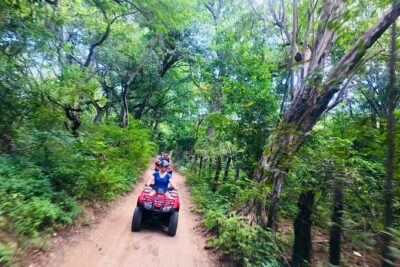
4×4 Dominican Adventure with Chocolate and Coffee Tasting
Read our review →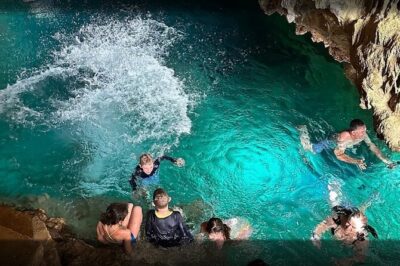
4×4 ATV Experience, Water Cave, Chocolate and Coffee Tasting
Read our review →
Buggy Adventure Tour with Chocolate and Coffee in Punta Cana
Read our review →
Buggy Ride Into the jungle with cave coffee & chocolate tasting
Read our review →
ATV OR BUGGY Ride Into the jungle with cave coffee & chocolate
Read our review →
Punta cana Boogie into the Jungle with Coffee and Chocolate Taste
Read our review →
Jungle Buggy Adventure with Coffee and Chocolate Tasting
Read our review →
Buggy Ride into the Jungle coffee , chocolate tasting Cenote
Read our review →Browse the lists this tour appears in